Choosing between Flalingo Kids and Cambly Kids usually comes down to one parent question: do you want native-speaker flexibility, or do you want a more structured English path with teacher continuity and parent reporting?
Both platforms offer live 1-on-1 English lessons for children. Cambly Kids is known for native English-speaking tutors, flexible booking and 30-minute online lessons. Flalingo Kids focuses on structured 1-on-1 lessons, age-based content, Oxford University Press-supported materials, FLAI AI-supported reports and parent progress tracking.
This Flalingo Kids vs Cambly Kids comparison looks at lesson format, teacher quality, age-based content, engagement, parent reports, pricing, safety and overall value.
🔎 Reliability Note:
This comparison uses public platform information, pricing examples, review scores and parent-focused learning criteria such as age fit, teacher continuity, lesson structure, native-speaker access, gamification and progress reporting. Prices, discounts, trial conditions and ratings may change, so final details should be checked again before purchase.
Quick Verdict
Quick Verdict
Flalingo Kids and Cambly Kids take different approaches. Cambly Kids suits parents who prioritize native English-speaking tutors and flexible scheduling. Flalingo Kids is stronger for parents who want structured 1-on-1 lessons, teacher continuity, age-based content, FLAI reports and clearer parent progress tracking.
Flalingo Kids vs Cambly Kids at a Glance
| Criteria | Flalingo Kids | Cambly Kids |
|---|
| Lesson format | Structured live 1-on-1 lessons; group option on selected plans | Live 1-on-1 lessons with native-speaking tutors |
| Lesson duration | 25 minutes, with longer options available | 30 minutes |
| Age range | 3–5, 6–8, 9–12 and 13+ | 4–15 |
| Teacher continuity | Fixed teacher continuity is a key strength | No fixed teacher guarantee; continuity depends on booking |
| Teacher profile | Expert teachers with child-focused lesson support | Native English-speaking tutors |
| Curriculum | Oxford University Press-supported Family and Friends path | CEFR-aligned A1–C1 curriculum with interactive content |
| AI support | FLAI lesson analysis and progress reports | No comparable AI lesson report flow |
| Parent reports | Weekly reports and lesson-level analysis | Tutor-based feedback, less systematic weekly reporting |
| Gamification | Games, stories, visuals and interactive activities | Interactive activities, quizzes, games and workbook resources |
| Trial | Free trial option; low-cost trial may also appear in some flows | Free trial may be available through campaign codes |
| Starting value | From approx. $24.98/month on longer plans | Example long-term plan from approx. $24/month for 1 lesson/week |
Flalingo Kids and Cambly Kids both offer live 1-on-1 English lessons, but the learning structure is different.
Cambly Kids is built around 30-minute live lessons with native English-speaking tutors. Parents can choose tutors, book lessons in advance and, in some cases, use flexible access depending on plan and availability. This is useful for families who want native-speaker exposure and flexible scheduling.
Flalingo Kids is more structured. Lessons are built around an age-based path, Oxford University Press-supported content and FLAI-supported progress tracking. The goal is not only to give children speaking time, but also to make progress visible to parents.
For children, structure matters because lessons should build on each other. A fun single lesson can help motivation, but long-term improvement needs a clear path, familiar teacher routines and consistent feedback.
For a closer look at how Flalingo Kids lessons work in practice, you can also read our Flalingo Kids Review 2026.
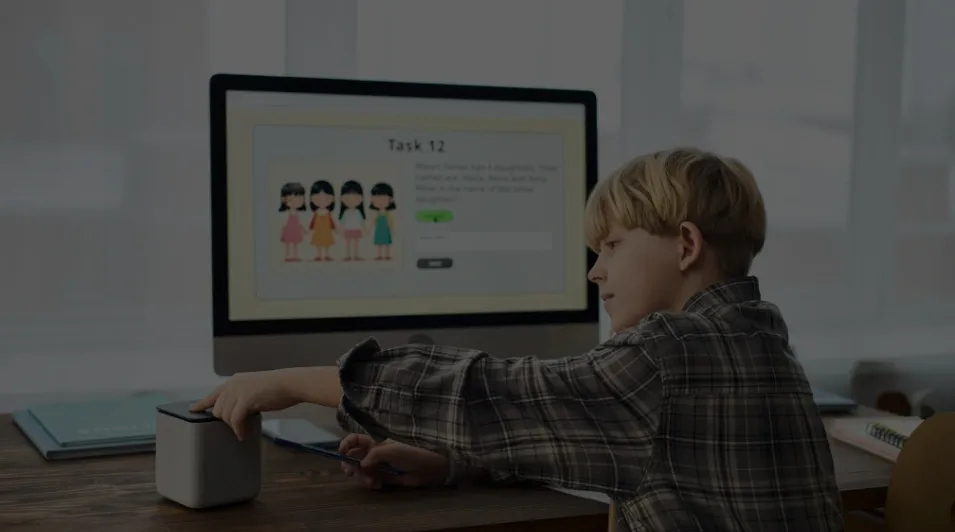
Flalingo Kids combines live 1-on-1 lessons, age-based content and progress reports to help parents follow their child’s English development.
Best Use
Choose Cambly Kids if native-speaker access and flexible scheduling matter most. Choose Flalingo Kids if you want structured 1-on-1 lessons, a clearer learning path and parent-visible progress.
Teacher Quality and Continuity
Teacher quality matters on both platforms, but continuity is especially important for children.
Cambly Kids gives children access to native English-speaking tutors from countries such as the United States, the United Kingdom, Canada, Australia, Ireland and New Zealand. This can be useful for parents who specifically want native accent exposure.
The trade-off is consistency. Because Cambly Kids works with tutor selection and booking, the child may not always continue with the same tutor. Some families may find a great tutor quickly, while others may need several lessons before finding the right fit.
Cambly Kids Tutors
Flalingo Kids is stronger for teacher continuity. A familiar teacher can understand the child’s personality, anxiety level, speaking habits and progress over time. This reduces the “starting over” feeling that some children experience when the teacher changes often.
For shy children, continuity is not just convenient. It can directly affect confidence, participation and willingness to speak.
Flalingo Kids supports teacher continuity so children can build confidence with a familiar teacher instead of adapting to a new tutor every lesson.
Age-Based Content and Engagement
Cambly Kids covers ages 4–15 and follows a CEFR-aligned learning path from beginner to advanced levels. Its lessons include interactive materials, and children can also use resources such as games, quizzes and workbooks.
Flalingo Kids separates learning by age stages: 3–5, 6–8, 9–12 and 13+. This is important because a preschool child, a primary school child and a teenager need different lesson pacing, visuals, topics and correction styles.
Flalingo Kids Age Groups
Flalingo Kids also includes gamified learning through songs, stories, games, visuals and interactive materials. The difference is that these activities support a structured English path rather than replacing it.
Outside live lessons, children can continue practicing with free Flalingo resources such as stories and games. This gives parents an extra way to keep English active between lessons without adding more screen-heavy live class time.
For a wider parent-focused comparison, you can also explore our guide to the best online English courses for kids in 2026.
Cambly Kids includes interactive resources such as games, quizzes and workbook-style activities for children.
Parent Progress Reports
Parent reports are one of the most important parts of online English learning for children. A child may enjoy class, but parents still need to know whether the child is improving.
Flalingo Kids gives parents a more structured progress-tracking experience. Parent reports and FLAI-supported lesson analysis help show what the child practiced, where they improved and which areas need more work.
Cambly Kids can provide tutor-based feedback, but the reporting experience depends more on the tutor and lesson flow. It is useful for quick feedback, but it is not as strong as a systematic parent report structure.
For parents who want measurable progress, not only lesson attendance, Flalingo Kids has the clearer advantage.
If AI-supported feedback is important to you, you can also explore our guide to the best AI-powered English learning platforms in 2026.
Pricing and Value
Price should be compared by monthly learning value, not only by the lowest lesson price. For kids, value depends on teacher quality, lesson continuity, curriculum, parent reporting and whether the child keeps attending willingly.
Based on the exchange rate used in this comparison, Flalingo Kids package examples are approximately:
| Platform | Example Price | Value Note |
|---|
| Flalingo Kids 1-month plan | Approx. $62.24/month | Short-term structured 1-on-1 child English learning |
| Flalingo Kids 3-month plan | Approx. $43.61/month | Better value for consistent learners |
| Flalingo Kids 6-month plan | Approx. $37.26/month | Includes FLAI AI and personalized exercises |
| Flalingo Kids 12-month plan | Approx. $24.98/month | Strongest monthly value for long-term learning |
| Flalingo Kids trial | Free trial option; low-cost trial may appear in some flows | Low-risk way to test child-teacher fit |
| Cambly Kids monthly plan example | Approx. $52/month for 1 lesson/week | Flexible native-speaker access at a higher monthly cost |
| Cambly Kids annual plan example | Approx. $24/month for 1 lesson/week | Lower monthly price with long-term commitment |
Cambly Kids can become more affordable on longer plans, especially when discounts apply. The main question is whether the family wants native-speaker flexibility enough to accept less predictable teacher continuity and less structured reporting.
Flalingo Kids is stronger for parents who want predictable long-term value: structured lessons, teacher continuity, parent reports, FLAI analysis, Oxford-supported content and age-based learning.
Safety and Screen Experience
For children, a good online English platform should feel safe, clear and easy to follow. The child should not need to manage the learning process alone.
Cambly Kids gives children a live 1-on-1 screen experience with native-speaking tutors and interactive materials. This can be engaging, especially for children who enjoy speaking with different people.
Flalingo Kids is stronger for families who want a more guided learning environment. Teacher continuity, parent reports and structured lesson flow reduce the need for parents to guess what happened in class.
Screen experience is not only about colorful activities. It is also about whether the child feels comfortable, knows what to expect and receives age-appropriate support.
Pros and Cons
Flalingo Kids Pros
- ✓Age-based structure from early childhood to 13+
- ✓Teacher continuity supports confidence and routine
- ✓FLAI reports, parent tracking and Oxford-supported content
Flalingo Kids Cons
- ✕Not designed as a fully on-demand random tutor model
- ✕Parents who only want native-speaker variety may compare Cambly Kids first
Cambly Kids Pros
- ✓Native English-speaking tutors for accent exposure
- ✓Flexible booking and 30-minute live 1-on-1 lessons
- ✓Interactive activities, games, quizzes and workbook resources
Cambly Kids Cons
- ✕Teacher continuity is less predictable
- ✕No comparable FLAI-style AI progress report flow
- ✕Parent reporting is less structured and can depend on the tutor
Ratings and User Reviews
Public ratings can help parents compare overall satisfaction, but they should not replace a trial lesson. For children, the most important signals are teacher fit, lesson enjoyment, speaking confidence, parent reporting and whether the child wants to return to class.
⭐ Flalingo Kids Rating: Trustpilot 4.9/5 | Google Reviews 4.9/5
⭐ Cambly Rating: Trustpilot 2.1/5 | Native-speaker tutor platform
“

Mete Yavuz
Trustpilot • Jun 17, 2025 • TR • 3 reviews
★★★★★
A Wonderful ExperienceWe have been taking English lessons for my 8-year-old daughter for two months, and we really love our teacher. Teaching English to children really requires patience, and teachers who make it fun deserve great praise.
At first, my daughter was a little shy and could barely speak, but now she waits for lesson time with excitement. As soon as she opened her eyes this morning, she asked, “Do I have my English lesson today?” As a father, I cannot express the happiness I feel.
They also use an AI tool called FLAI, which summarizes the lesson at the end, analyzes areas where my daughter makes mistakes such as pronunciation or grammar, and provides exercises specific to those areas. It is incredibly helpful and really speeds up the learning process. Most importantly, they make English fun for children. I think that is priceless.
“
C
A Former Cambly Tutor
Trustpilot • Aug 3, 2024 • GB • 1 review
★☆☆☆☆
SHAMELESS COMPANYI have been working at Cambly for over 5 years. The only good thing about this company is my regular students.
The pay is terrible. Cambly Kids materials are awful. The new contract terms are criminal. This is a shameless company that drains students’ bank accounts and uses teachers like slaves. If you value yourself and your time, DO NOT WORK FOR THIS COMPANY.
Which One Should You Choose?
Choose Flalingo Kids
If you want age-based structure, fixed teacher continuity, Oxford-supported content, FLAI reports and parent progress tracking, Flalingo Kids is the stronger fit.
Choose Cambly Kids
If native-speaker access and flexible tutor choice are your top priorities, Cambly Kids can work well.
For Shy Children
Flalingo Kids is better if your child needs a familiar teacher, routine and gradual speaking confidence.
For Native Accent Exposure
Cambly Kids is better if your main goal is regular exposure to native English-speaking tutors.
Final Recommendation
Flalingo Kids and Cambly Kids are both useful, but they serve different parent priorities.
Cambly Kids is a strong option for families who want native English-speaking tutors, flexible booking and 30-minute live lessons. It can work especially well for children who are already comfortable speaking with new people.
Flalingo Kids is more suitable for parents who want structure beyond exposure. It combines age-based learning paths, teacher continuity, Oxford-supported materials, FLAI AI reports and parent progress tracking. That makes it stronger for families who want their child’s English to grow steadily over time.
If you are also comparing other kids’ English platforms, our Flalingo Kids vs Novakid comparison explains how Flalingo Kids differs from a more gamified children’s platform.
Frequently Asked Questions
Is Flalingo Kids cheaper than Cambly Kids?
Flalingo Kids longer plans start from approximately $24.98/month based on the exchange rate used in this comparison. Cambly Kids can also become cheaper on long-term plans, but parents should compare the monthly cost together with teacher continuity, reports and structure.
Which is better for kids speaking?
Cambly Kids is useful for native-speaker conversation exposure. Flalingo Kids is stronger if the parent wants speaking practice connected to teacher continuity, age-based lessons, FLAI-supported progress reports and more visible long-term development.
Can I keep the same teacher?
Flalingo Kids is stronger for teacher continuity because a familiar teacher experience is part of its main value. Cambly Kids lets parents choose tutors, but the same tutor may not always be available, so continuity depends more on booking and scheduling.
Which is better for young beginners?
Both can support young beginners. Cambly Kids works well for children who enjoy speaking with native tutors. Flalingo Kids is better for young beginners who need routine, age-based structure, parent reports and gradual confidence-building with a familiar teacher.
Is there a free trial?
Flalingo Kids has a free trial option in its kids flow, while low-cost trial options may appear in some other purchase flows. Cambly Kids may offer a free trial through campaign codes. Trial details can change, so parents should check current booking conditions.
Which offers better value?
Cambly Kids offers value for native-speaker flexibility. Flalingo Kids offers stronger value for parents who want structured 1-on-1 lessons, teacher continuity, Oxford-supported content, parent reports and FLAI-supported progress tracking in one learning path.
References
Pricing examples, exchange rates, trial conditions, subscription rules and public review scores may change. Current details should be checked again before publication.